Ahmed: A Handwritten Font for Web Design
When working on a new project, choosing the right font can feel like picking the perfect color for a design—subtle but impactful. I recently tested Ahmed, a beautiful handwritten script font, in a creative portfolio website and found it to be a standout choice for adding personality and elegance to digital layouts.
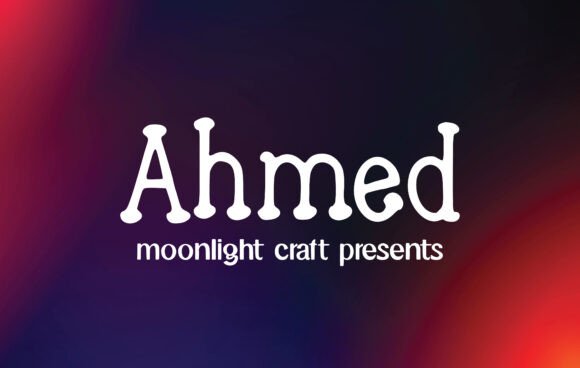
Ahmed has a warm, organic feel that feels both modern and timeless. Its flowing strokes and subtle variations give it a handcrafted look, making it ideal for projects that want to convey creativity, authenticity, and artistry. It’s not just a font—it’s a visual identity tool that can elevate the tone of any web page.
Using Ahmed in Website Headers and Hero Sections
One of the first places I tried Ahmed was in a hero section. The headline needed to grab attention while maintaining a sense of professionalism. Ahmed worked well here, offering a soft contrast against a clean background. It felt natural alongside a simple sans serif body font, creating a balanced visual hierarchy.
I experimented with different sizes and spacing to ensure readability. On desktop, it looked great at 48px, but on mobile, I reduced it to 36px. The font maintained its clarity even at smaller sizes, which is crucial for responsive design. I also tested it over image banners and found that it still stood out without overwhelming the background.
Applying Ahmed to Call-to-Action Areas and Buttons
For call-to-action buttons, I used Ahmed in a bold weight, pairing it with a minimalist button design. The result was a clean, eye-catching element that encouraged user interaction. However, I noticed that using it in small buttons could reduce legibility, especially on dark backgrounds. In those cases, I switched to a simpler font for better contrast and clarity.
Ahmed works best when used sparingly. It shines as a display font for headlines, logos, and decorative elements rather than for long blocks of text. For body copy, I paired it with a neutral sans serif, which helped maintain a professional tone while allowing Ahmed to add character where it mattered most.
Enhancing Brand Identity with Ahmed
When building a brand kit, I included Ahmed in logo designs and social media graphics. Its handwritten style gave the brand a more personal and approachable feel. It also worked well for short phrases, such as taglines or captions, where a bit of flair could make a big difference.
For a boutique online store, I used Ahmed in product banners and promotional headers. It added a touch of sophistication that aligned with the brand’s aesthetic. The font’s versatility allowed it to fit into different contexts, from playful to elegant, depending on how it was styled.
Readability and Layout Considerations
Readability is always a concern when working with script fonts. Ahmed is generally easy to read at larger sizes, but I recommend avoiding it for extended paragraphs. Instead, use it for headings, subheadings, and key messages that need emphasis.
On mobile screens, I made sure to test Ahmed in different scenarios. It performed well on light backgrounds but required careful spacing on dark ones to prevent visual fatigue. I also kept the line height consistent to improve scanning behavior and user engagement.
Font Pairing and Design Balance
Pairing Ahmed with other fonts helped create a cohesive design system. I often combined it with a simple serif or sans serif font for body text, allowing it to serve as a focal point without competing for attention. This approach improved overall readability and visual balance.
For editorial-style content, I used Ahmed in headings and titles, while keeping the body text in a more traditional typeface. This created a clear distinction between main ideas and supporting details, enhancing the user experience across different devices and screen sizes.
Practical Tips for Using Ahmed in Web Projects
Before integrating Ahmed into a website, I always check the available styles, weights, and file formats. It’s important to ensure that the font supports the languages and characters needed for the project. Also, verifying commercial licensing is essential, especially when working on client websites or public-facing platforms.
For digital product creators, Ahmed offers a unique way to express creativity without sacrificing usability. Whether it’s for a course sales page, a blog redesign, or a campaign landing page, the font adds a personal touch that can make a brand stand out in a crowded digital space.
Overall, Ahmed is a powerful tool for web designers looking to add a human element to their digital work. Its combination of style and functionality makes it a valuable addition to any design toolkit, especially when used thoughtfully and intentionally.