Mytilda Font: Handwritten Elegance for Web Design
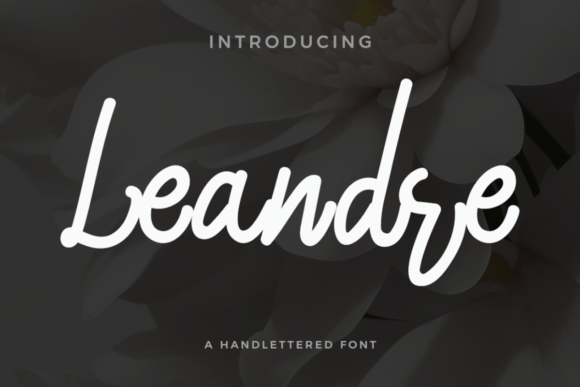
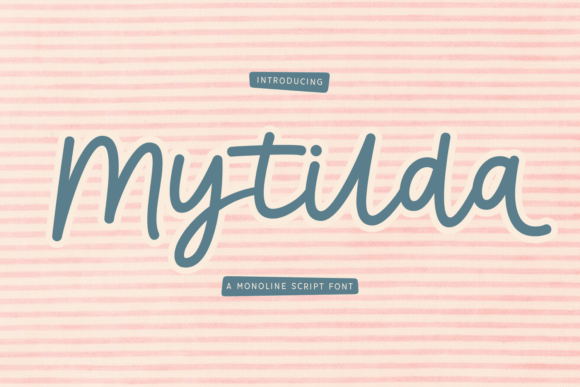
As a web designer, finding the right typeface can transform a layout from ordinary to unforgettable. Mytilda is a monoline script font that brings a casual, handwritten feel to digital projects. Its smooth strokes and rounded forms make it ideal for journaling designs, stationery, digital planners, and cozy branding.
Understanding Mytilda's Visual Characteristics
Mytilda exudes a friendly and approachable personality. Its soft curves and flowing lines create a sense of warmth, making it perfect for projects that aim to connect with users on an emotional level. The font’s visual style blends modern typography with a touch of nostalgia, offering a unique balance between creativity and professionalism.
For web designers, this means Mytilda can serve as a strong visual anchor in headers, hero sections, and call-to-action areas. Its readability on screens makes it suitable for both large display text and smaller interactive elements like buttons or labels.
Using Mytilda in Digital Layouts
When integrating Mytilda into a website, consider its role in visual hierarchy. It excels as a display font for headlines, section titles, and decorative accents. However, it’s less suited for long blocks of body text due to its intricate details, which can reduce legibility at smaller sizes.
Imagine using Mytilda for a creative portfolio site. A bold header with the font can immediately set the tone for a designer’s work, while subtle use in subheadings or logos adds a personal touch. For a boutique online store, the font can elevate product banners and promotional messages, creating a cohesive and inviting shopping experience.
Mytilda in Branding and User Engagement
The personality of Mytilda aligns well with brands that want to convey authenticity and creativity. It works especially well for coaching websites, blog headers, or course sales pages where a humanized tone is essential. Its casual feel helps build trust and relatability, which are crucial for conversion-focused layouts.
When used in social media graphics or digital ads, Mytilda can draw attention without overwhelming the viewer. Its rounded shapes and fluid motion make it visually appealing across different platforms, from mobile screens to desktop interfaces.
Readability Considerations
While Mytilda is highly readable on larger screens, its performance on mobile devices requires careful consideration. At smaller sizes, the font may become harder to scan, especially on dark backgrounds or image overlays. To maintain clarity, pair it with a clean sans serif or serif font for supporting text.
In responsive layouts, ensure that Mytilda scales appropriately across different screen sizes. Avoid using it in tiny buttons or crowded areas where the font’s details might get lost. Instead, reserve it for prominent design elements where it can shine without compromising usability.
Font Pairing Strategies
Effective font pairing enhances the overall aesthetic of a website. When working with Mytilda, consider pairing it with a simple sans serif font for body copy. This contrast creates a clear visual distinction between headings and content, improving readability and user flow.
For editorial designs or more traditional brand identities, pairing Mytilda with a serif font can add depth and sophistication. This combination works well for blogs, magazine-style sites, or content-heavy landing pages where a refined look is desired.
Practical Applications of Mytilda
Mytilda is versatile enough to fit into various digital projects. On a product landing page, it can be used for headline text, emphasizing key selling points with a stylish yet approachable look. In a digital brand kit, the font can unify marketing materials, ensuring consistency across web and print assets.
For a SaaS founder launching a new platform, Mytilda can be a powerful tool in the homepage hero section. A bold, custom-typed headline with the font can capture attention and communicate the brand’s unique value proposition effectively.
Commercial Licensing and File Formats
Before using Mytilda in a project, verify its commercial licensing terms. Ensure that the font is available in webfont formats such as WOFF or WOFF2, which are essential for fast and efficient loading on websites. Check if the font includes alternate characters, weights, or multilingual support, depending on your project’s needs.
For designers working on client projects, confirm that the license covers all intended uses, including websites, online stores, and digital templates. Proper licensing ensures that your work remains compliant and avoids potential legal issues down the line.
Conclusion
Mytilda offers a distinctive blend of elegance and informality that can enhance a wide range of digital projects. Its smooth strokes and rounded forms make it ideal for headers, logos, and decorative elements, while its approachable personality supports brand storytelling and user engagement. Whether you're designing a creative portfolio, an online store, or a coaching website, Mytilda can add a touch of warmth and personality to your design system.